
Crisis and Continuity
Published:
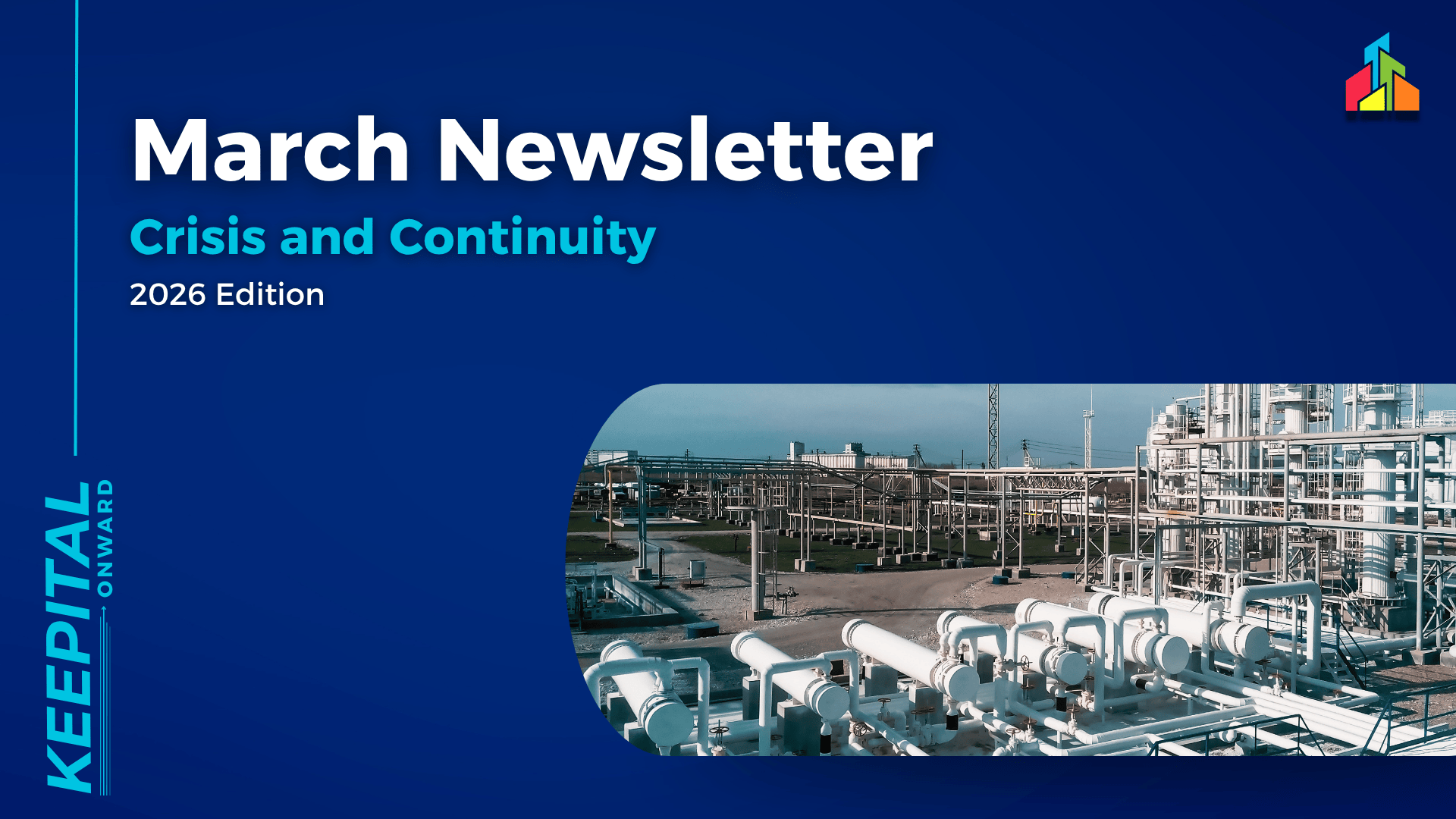
Global oil markets in 2026 are facing renewed turbulence. Supply disruptions, geopolitical tensions, and shifting demand patterns have created volatility that is rippling across industries worldwide. For the industrial sector, this crisis is not simply about rising fuel prices rather it is about resilience, adaptability, and strategic foresight.
Although this is an extreme situation, it can be understood that companies who invest in efficiency, diversification, and smarter operations may be better positioned to manage the uncertainty. Rising fuel costs are already affecting logistics, manufacturing, and SMEs across Southeast Asia, where imported energy plays a central role in daily operations. These pressures are reshaping how businesses plan and operate, forcing them to confront the reality of higher costs and tighter margins.
Energy‑intensive sectors such as manufacturing, construction, and logistics face immediate challenges as fuel costs climb. Supply chains dependent on oil are increasingly vulnerable to delays and cost fluctuations, making delivery schedules and pricing less predictable. Firms that adapt by improving efficiency or exploring alternative energy sources may find themselves more resilient than those that remain heavily exposed.
Practical adjustments are not about sweeping transformations but about incremental steps that strengthen resilience. Energy audits, equipment upgrades, and lean manufacturing practices can help reduce consumption. Exploring natural gas, renewables, or hybrid transport solutions may lessen dependence on oil. Logistics optimization, from route planning to shipment consolidation, can mitigate rising transport costs. Flexible supplier contracts and, for larger firms, financial hedging, are tools that can provide additional safeguards against volatility.
Looking ahead, the oil crisis underscores the importance of long‑term resilience. Volatility is unlikely to disappear quickly, and businesses should prepare for sustained uncertainty. At the same time, the crisis is accelerating investment in renewable energy, electrification of transport, and smarter supply chain management. For SMEs, the challenge is considerable, but it also presents an opportunity to modernize operations and strengthen competitiveness in a shifting energy economy.
The oil crisis of 2026 is reshaping the industrial landscape in ways that highlight the persistent reality of energy volatility. While no single response can eliminate the challenges, it is clear that companies that choose to strengthen efficiency, diversify energy sources, and build resilience may find themselves better prepared to manage uncertainty. This moment serves less as a call for sweeping solutions and more as a reminder that adaptability remains a defining trait of businesses that endure and evolve in shifting global conditions.
Ready to Get Noticed?
Join the many ASEAN SMEs already taking advantage of this digital shift. Be discovered when buyers search. Turn visibility into real business.
Reach out today: ask@keepital.com | sales.ph@keepital.com | Schedule a meeting
Visit: www.keepital.com.ph | Facebook | Insta gram | Linked In | TikTok
Join our community: B2B Business Networking
Company Information
Keepital was established in 2013 and has now grown into Southeast Asia's Leading industrial B2B marketplace that facilitates connections between suppliers and buyers worldwide through our online platform. They stand out with their highly competitive pricing and offer a comprehensive range of services beyond just product listings. Their advertising options are designed for affordability and simplicity, featuring a one-time payment and low renewal fees for product and service suppliers on our online portal.
Contact
Abigail Cubangbang
Brand Executive
marketing@keepital.com